
What Is Child-Led Play?
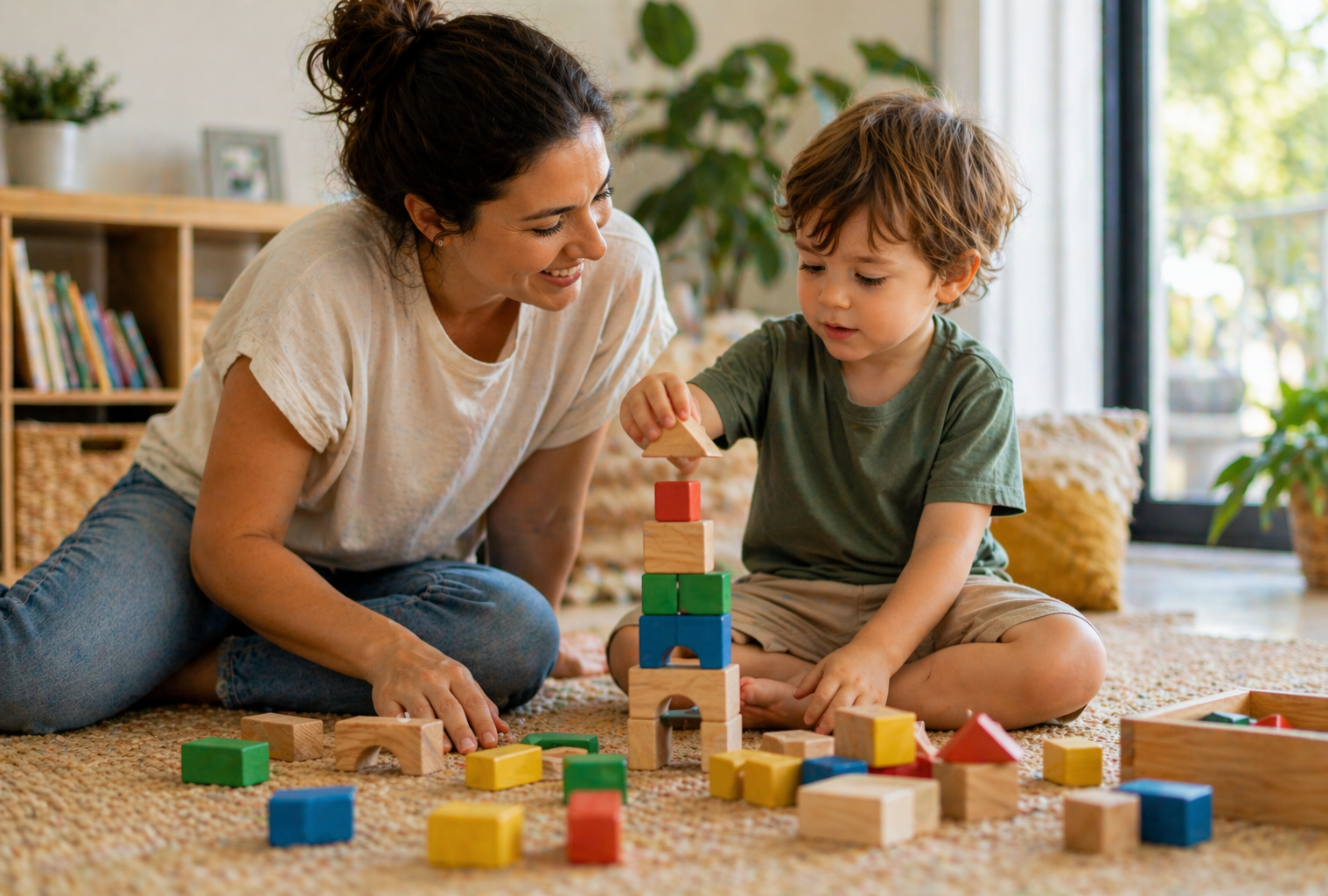
Child-led play is exactly what it sounds like: play that is directed by the child. They choose the activity, set the pace, and decide how it unfolds. Our role as adults is to be present, attuned, and responsive - not to direct, correct, or take over.
This kind of play isn’t about structured outcomes or ticking boxes, it’s about relationship, autonomy, and trust. And research shows that it’s not just nice to have….. it’s vital.
Why Autonomy in Play Matters
Allowing a child to lead in play gives them the freedom to explore, make decisions, and express themselves without fear of judgement or interruption. In a world where children are often told what to do, when to do it, and how to behave, play becomes a space where they feel truly seen and in control.
Giving children autonomy in play:
Builds confidence and agency – When children make choices in play, they experience a sense of control and competence.
Strengthens emotional regulation – Play is how children process emotions, especially when they don’t yet have the words to express what they’re feeling.
Encourages creativity and problem-solving – Free play fosters flexible thinking, imagination, and resilience.
Supports healthy brain development – Neuroscience confirms that play activates and integrates areas of the brain responsible for learning, emotional regulation, and social connection (Panksepp, 2007; Perry, 2009).
The Relationship Boost: Connection Through Play
One of the most beautiful outcomes of child-led play is its impact on the adult-child relationship. When we slow down and follow a child’s lead, we send a powerful message: I see you. I value you. I enjoy being with you. This kind of attuned presence builds what psychologist Dr. Dan Siegel calls “secure attachment”, a foundation for lifelong emotional health. In child-led play, the adult becomes a safe, consistent presence. This helps children feel safe enough to explore, take risks, and express themselves fully. Especially for children who have experienced stress or trauma, this kind of play can be deeply reparative.
“But What If I’m Not Good at Playing?” Many adults feel unsure about how to play or worry they’re not “doing it right.” The good news? You don’t have to be entertaining, educational, or even particularly playful. Child-led play is about being with, not doing to.
Here’s how to start:
Put
away distractions – Even 10 minutes of uninterrupted
presence can make a big difference.
Observe
before jumping in – Watch how your child plays. What are
they interested in?
Reflect,
don’t direct – Instead of “Let’s build a tower,” try
“You’re stacking the blocks so high!”
Follow
their lead – Let them decide how the game goes,
even if it doesn’t make sense to you.
Developmental Gold
Developmental Gold
Decades of research back what many of us know intuitively: play is not just a way to pass time, it’s how children learn, grow, and heal. Studies show that child-led, unstructured play is linked to:
- Improved emotional regulation and self-control (Landreth, 2012)
- Greater language and cognitive development (Ginsburg, 2007)
- Stronger social skills and empathy (Brown, 2009) Lower stress and anxiety (Perry, 2009)
In short, it’s the bedrock of healthy development.
Final Thoughts In a busy world, child-led play is a radical act of slowing down. It invites us to be curious rather than in control, present rather than perfect. When we allow children the freedom to explore, imagine, and take the lead, we nurture their sense of self and deepen our relationship with them in the process. So next time your child picks up a stick, makes up a game, or tells a story with stuffed animals, pause before jumping in. You don’t need to lead the way. They already know where to go. You just need to follow.
References
Brown, S. (2009). Play: How It Shapes the Brain, Opens the Imagination, and Invigorates the Soul.
Ginsburg, K. R. (2007). The Importance of Play in Promoting Healthy Child Development and Maintaining Strong Parent–Child Bonds. Pediatrics, 119(1).
Landreth, G. L. (2012). Play Therapy: The Art of the Relationship.
Panksepp, J. (2007). Play and the Regulation of Emotion. In Emotion Regulation: Conceptual and Practical Issues.
Perry, B. D. (2009). Born for Love: Why Empathy is Essential—and Endangered.

Office: 1/737 Albany Creek Rd, Albany Creek Qld, 4035
Email: info@flourishacademy.com.au
Terms & Conditions | Privacy Policy
Email: info@flourishacademy.com.au
Terms & Conditions | Privacy Policy
Copyright © 2026